Büsum
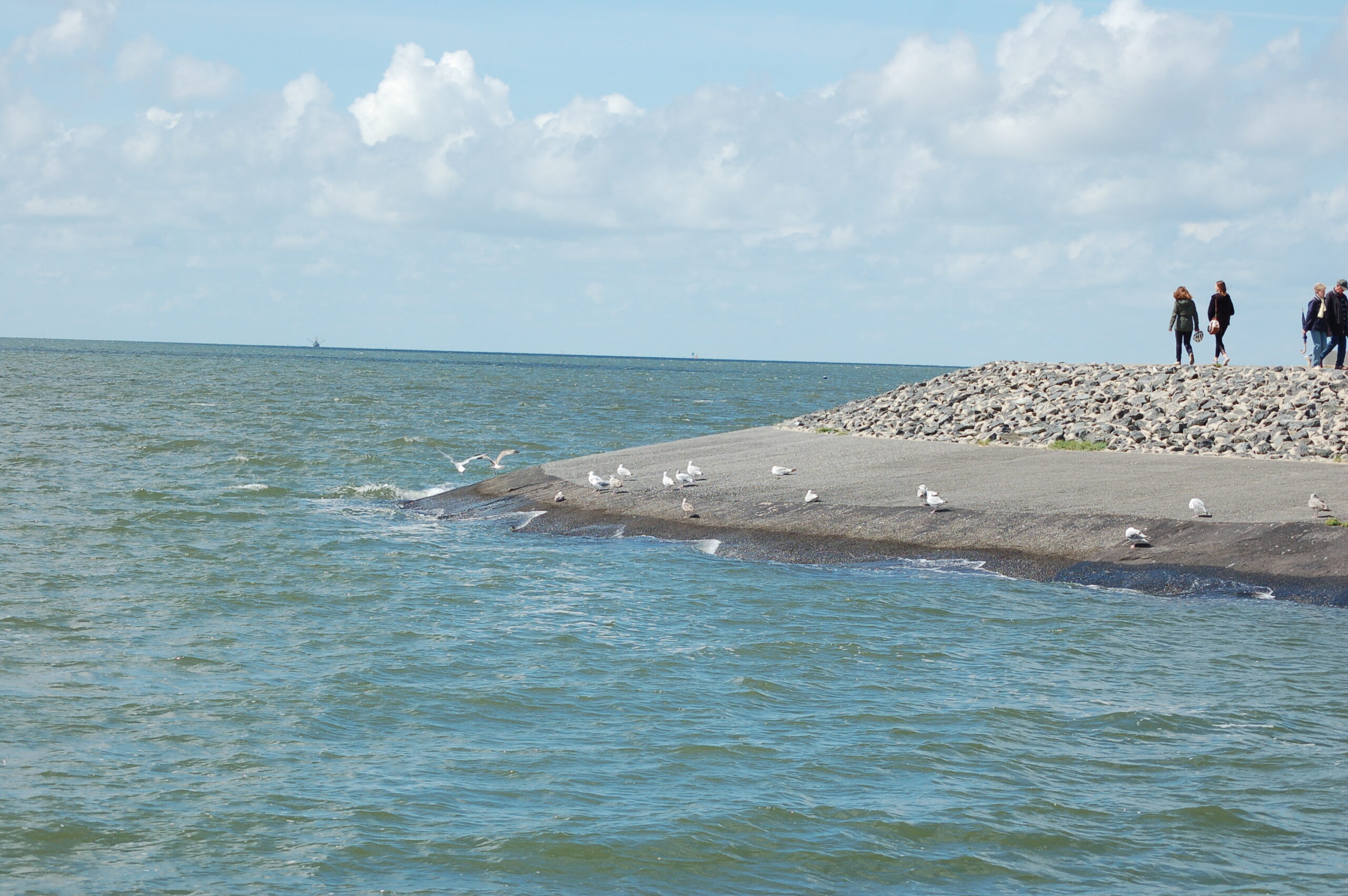
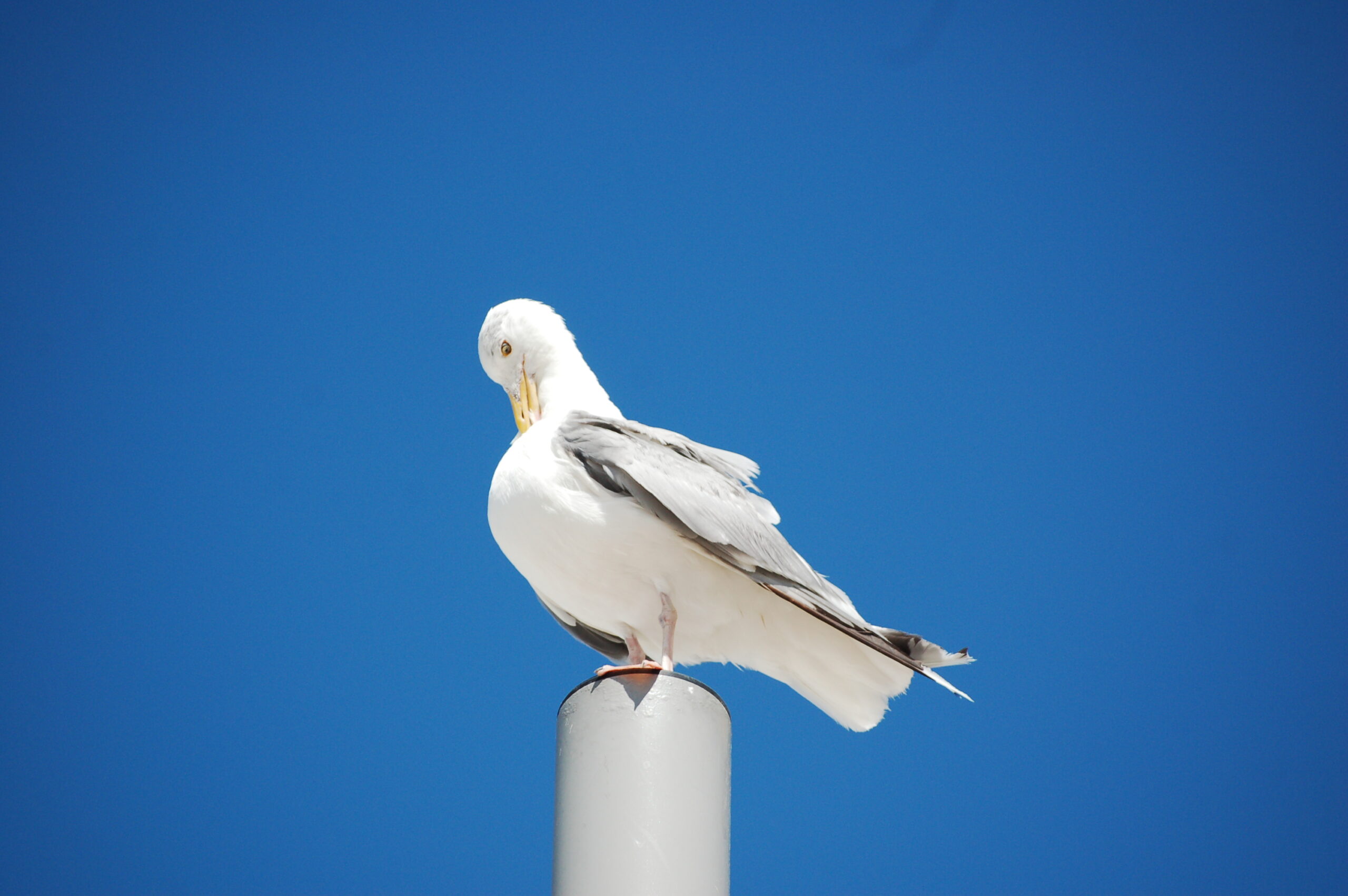
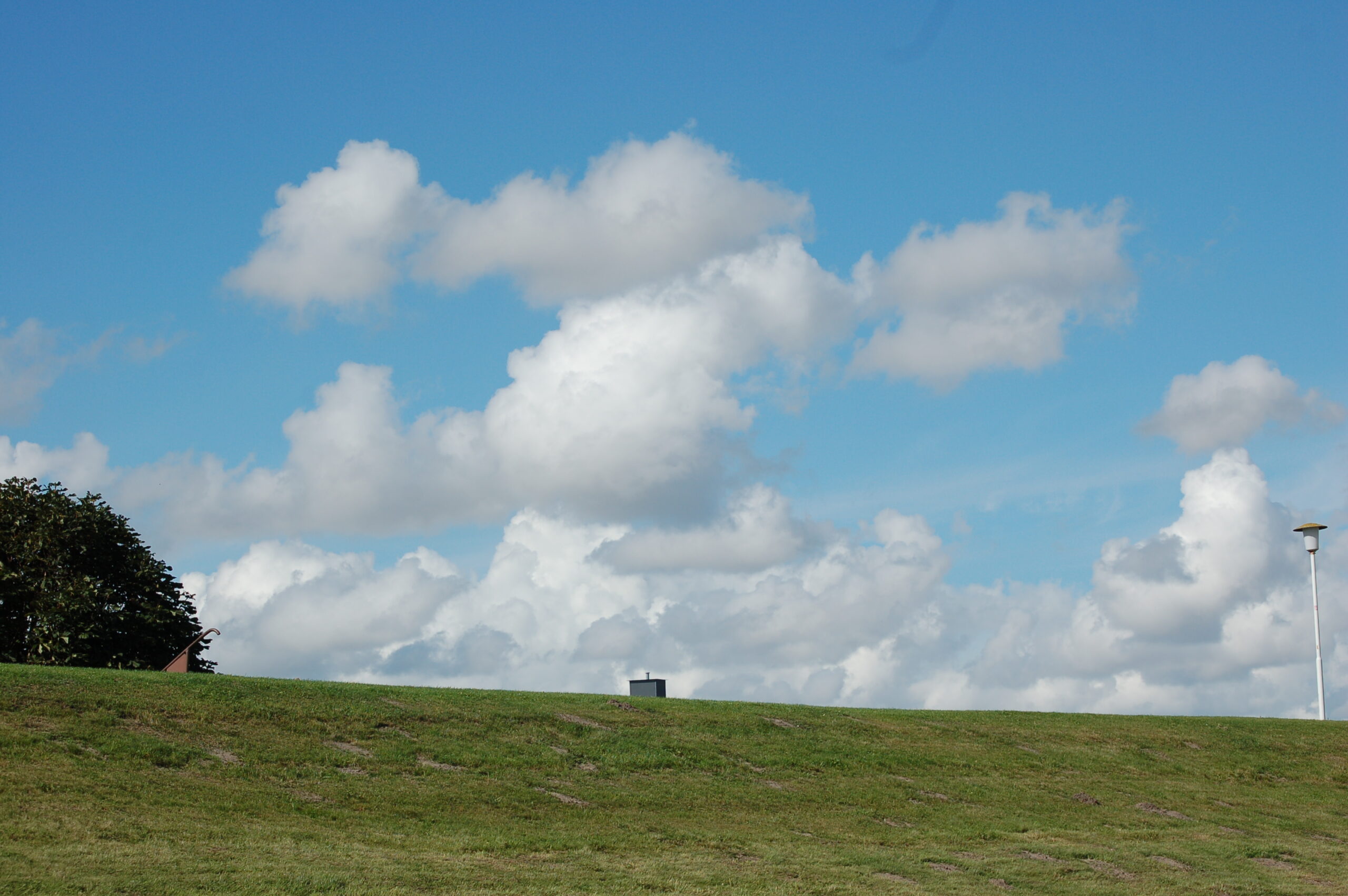
When I think of Büsum, I do not see a pretty, sunlit postcard image. I feel the fresh sea wind blowing in from the shore across the dikes the moment I step out onto the car park. The air smells of salt, and already you can hear the screeching gulls hovering above people’s heads in the breeze. Long before I can see the dikes behind the trees, I hear the soft rushing behind the green embankment, that muted breath of the North Sea.
Once, Büsum was an island, one of those that had to face the sea again and again, until the storm tides tore away its southern edge and the silt in the northeast built a bridge to the mainland. When I stand up on the dikes that rise like a protective line between the town and the water, I can still sense a trace of that old boundary between sea and land. To the right the town spreads out, to the left the wide, flat sea.
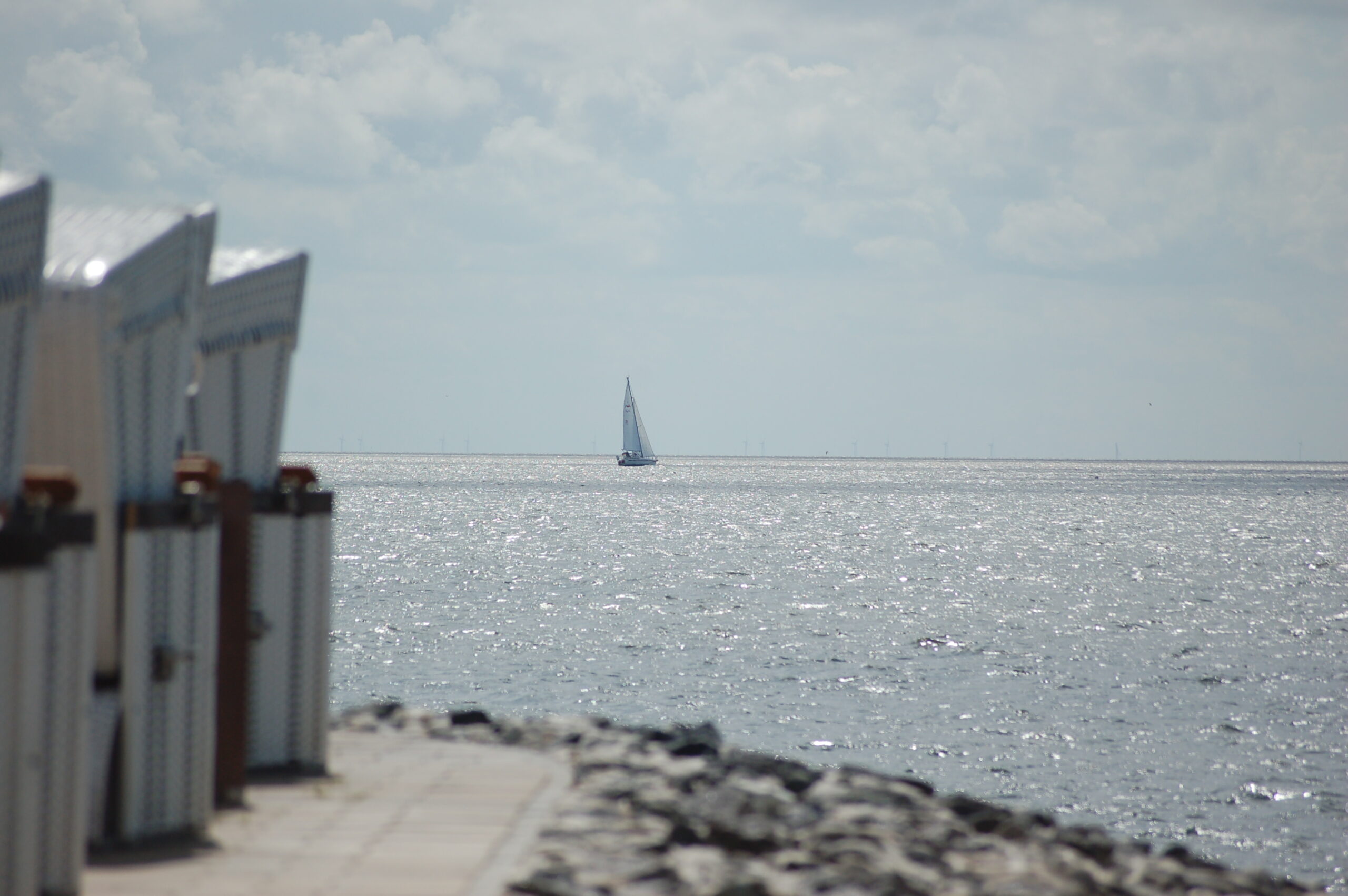
Walking down from the dike towards the water, you pass many jetties that lead straight into the North Sea at high tide. On warm days, people in swimsuits and wave‑riders stand side by side there, a little unsure in the cold North Sea water. At low tide, only grooves, puddles and grey‑brown, damp ground remain. Then the mudflat guides walk ahead of the rows of those who are getting to know “the mud beneath their feet” for the first time. From the dike I like to look out over the empty mudflats, where, on the horizon, the sea still gleams in the sunlight like liquid gold.
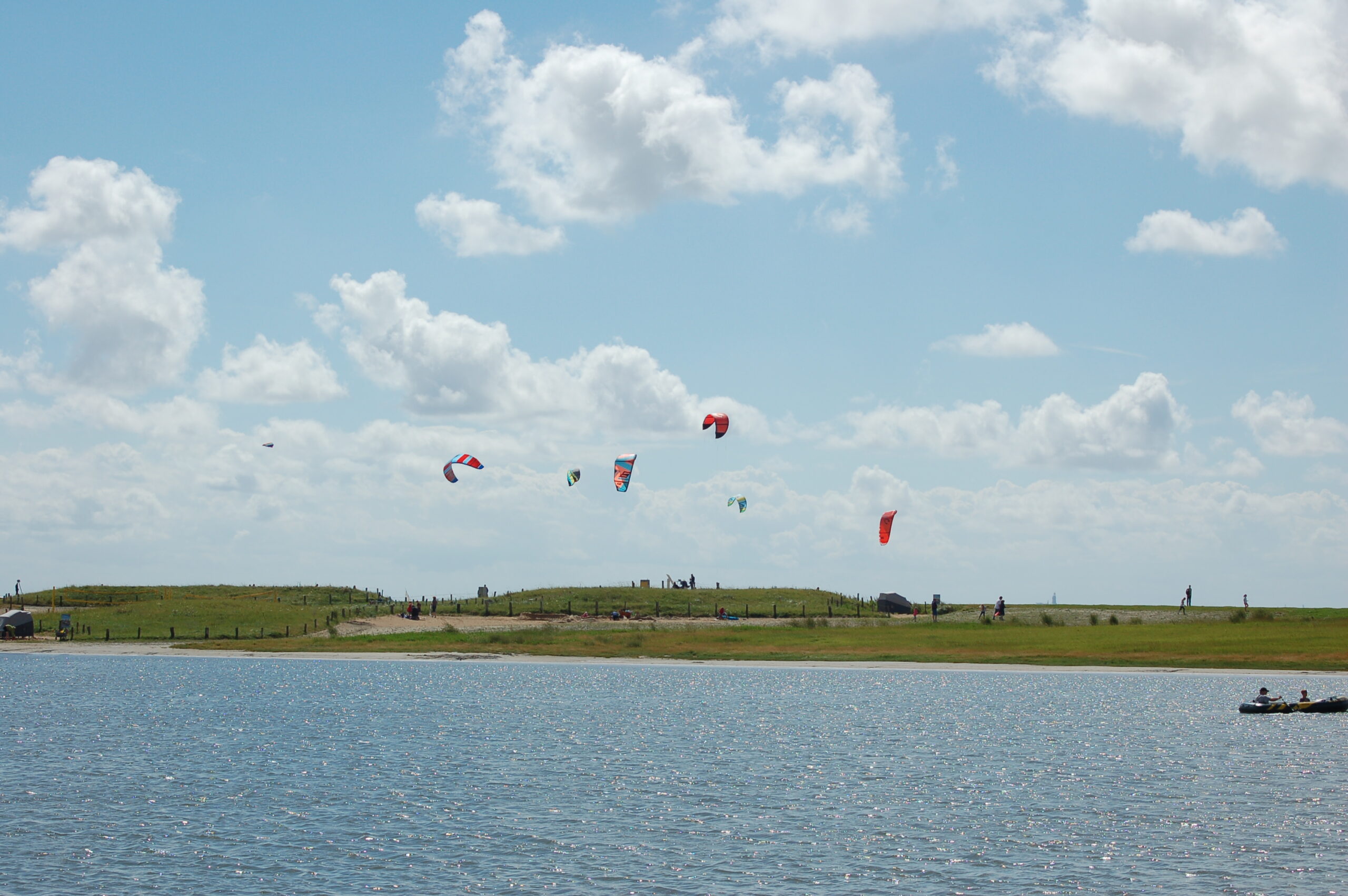
In the family lagoon “Watt’n Insel” the harbour town grows louder. Children shriek, someone is trying their hand at windsurfing, others drift lazily across the basin in pedal boats. The wind carries snatches of conversation, bursts of laughter and the steady slap of water against the jetty. And yet even this colourful bustle is framed by the rougher rhythm of wind, tides and sky.
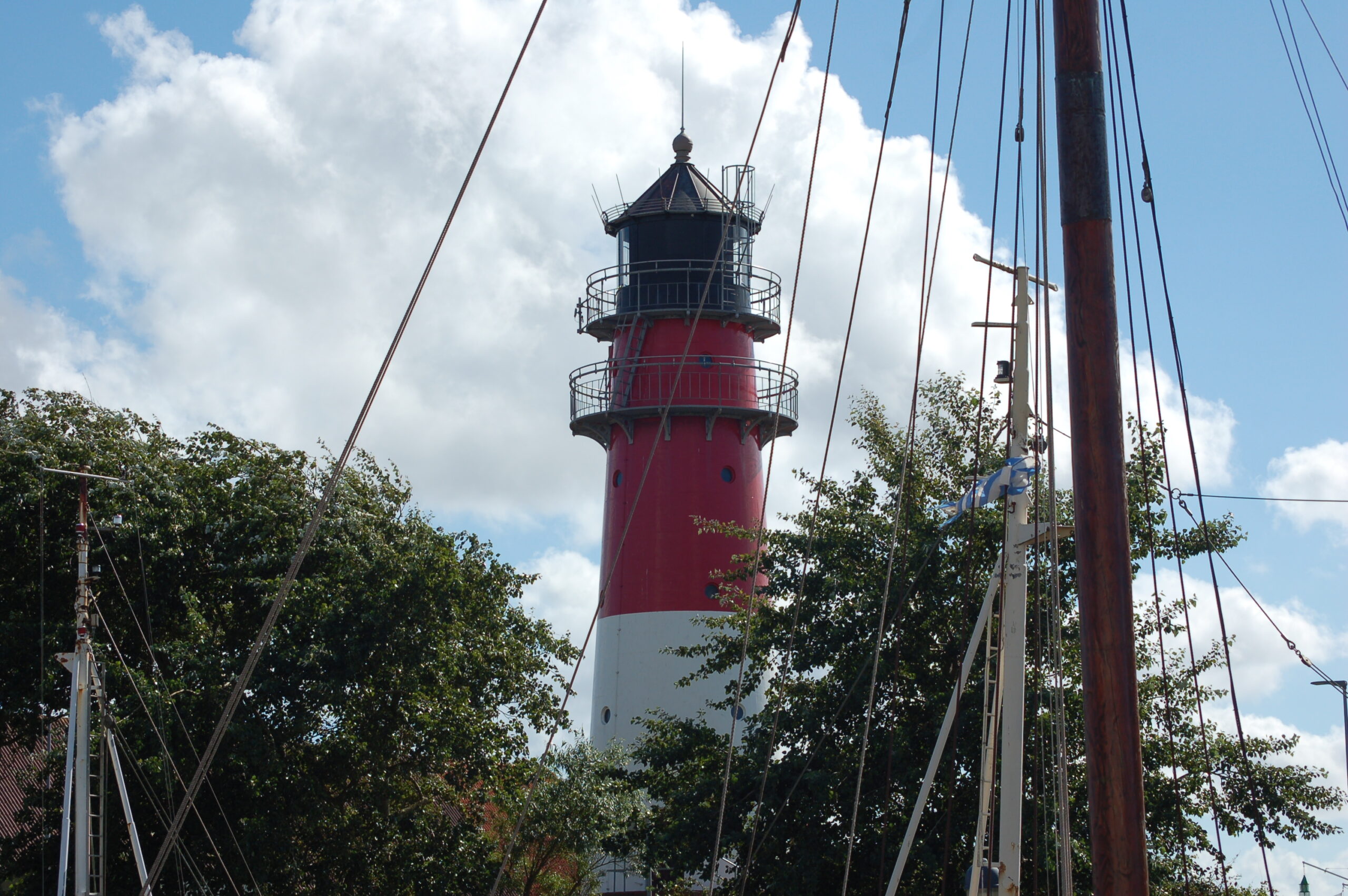
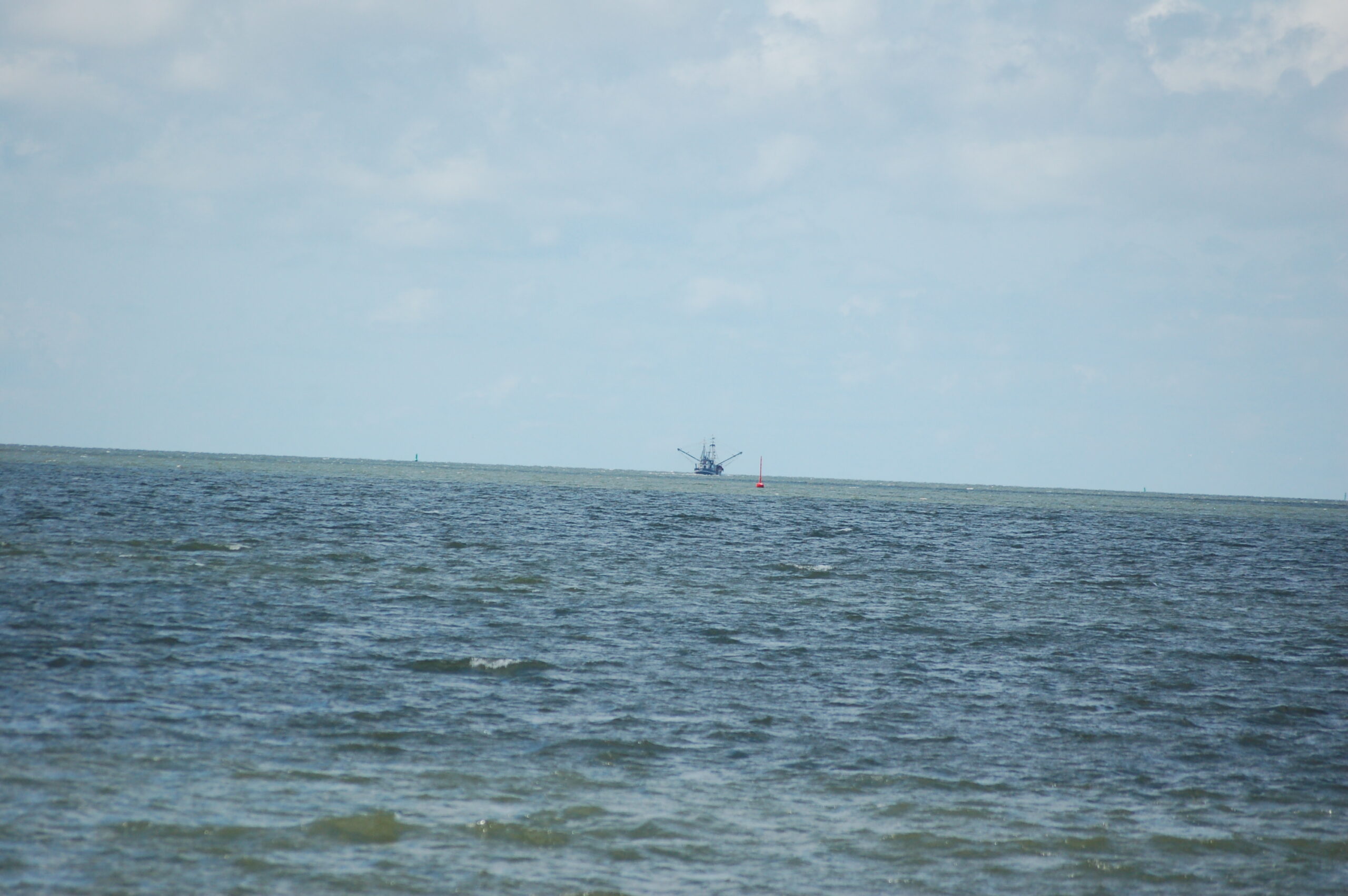
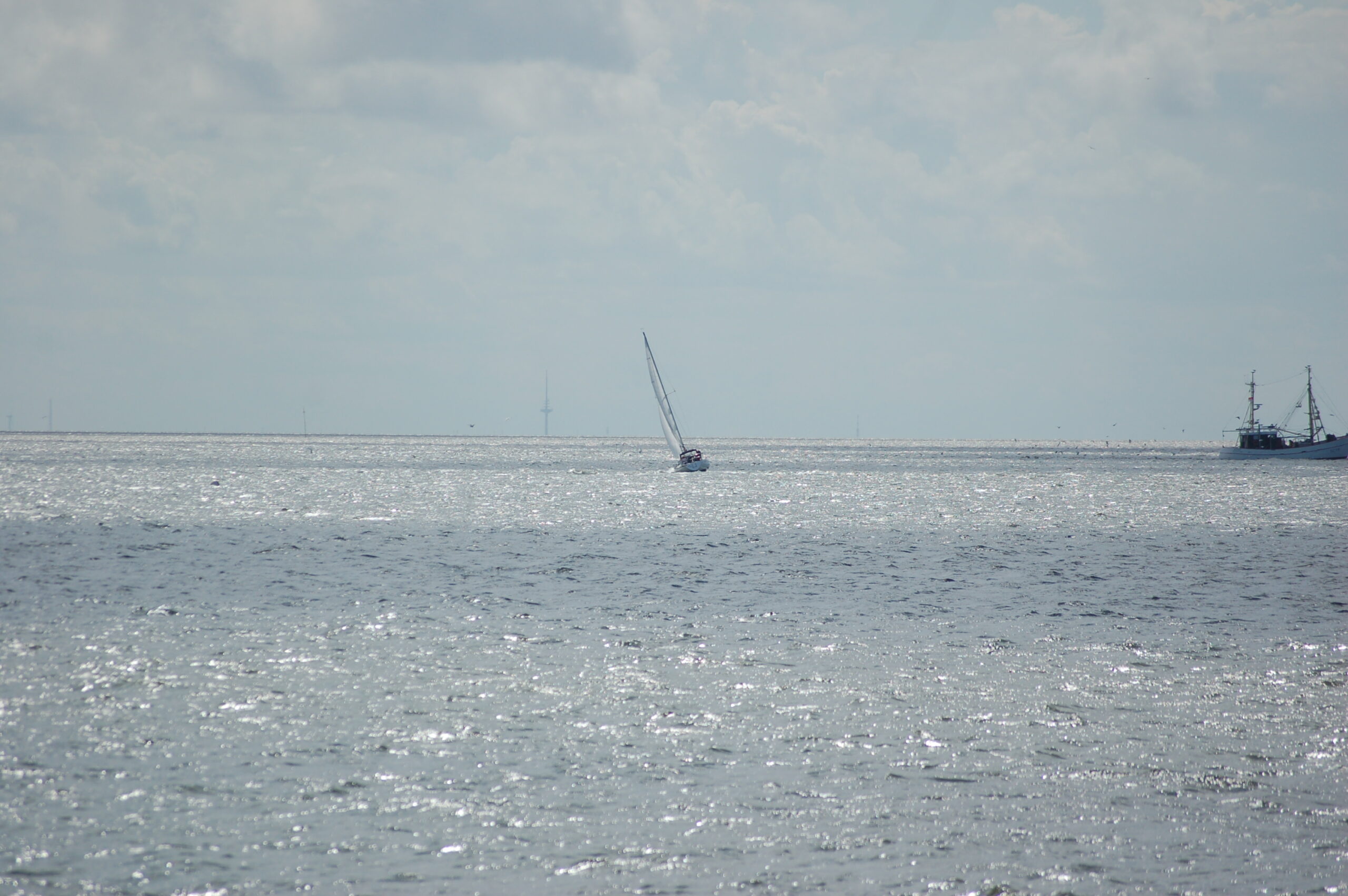
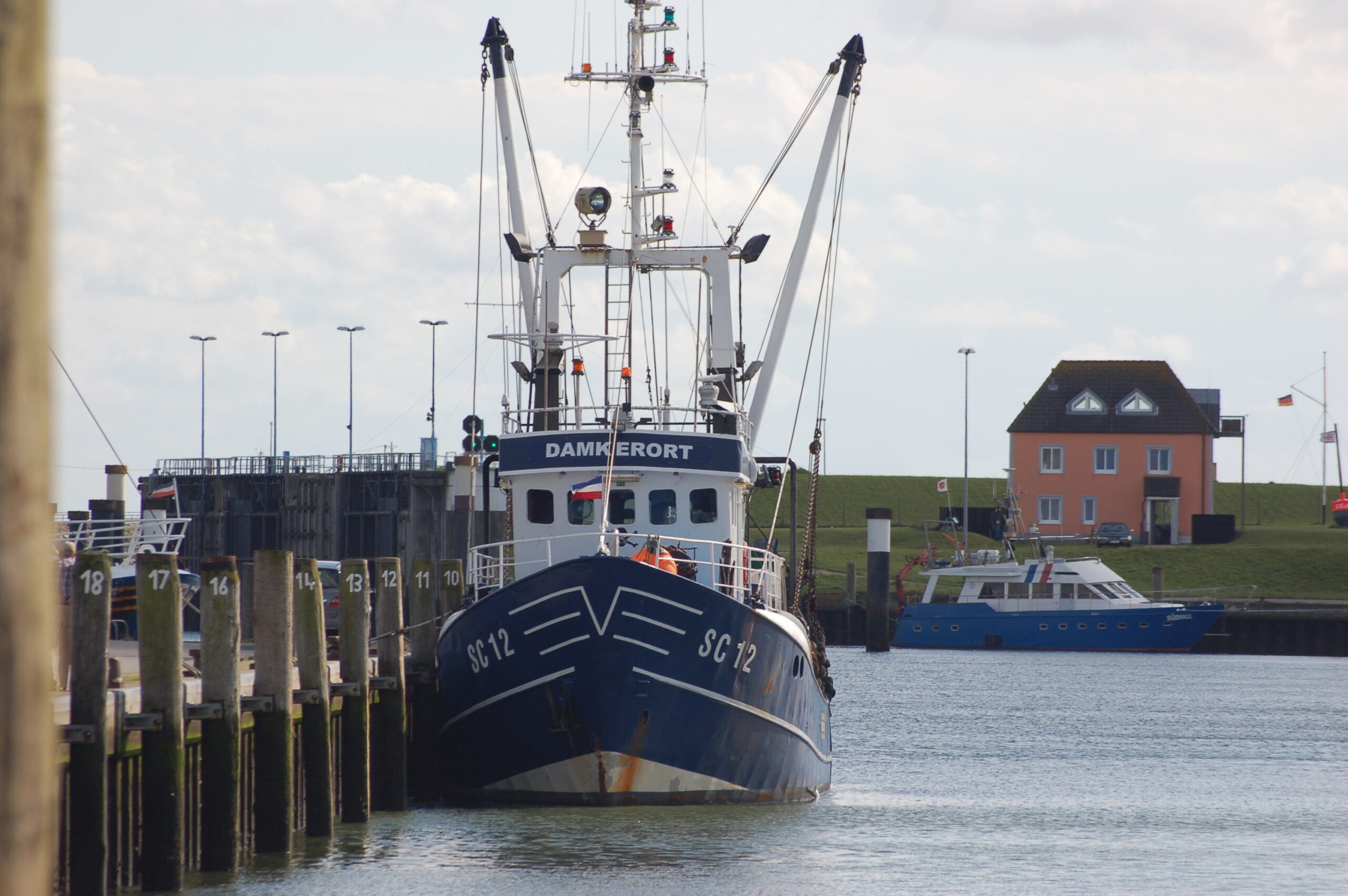
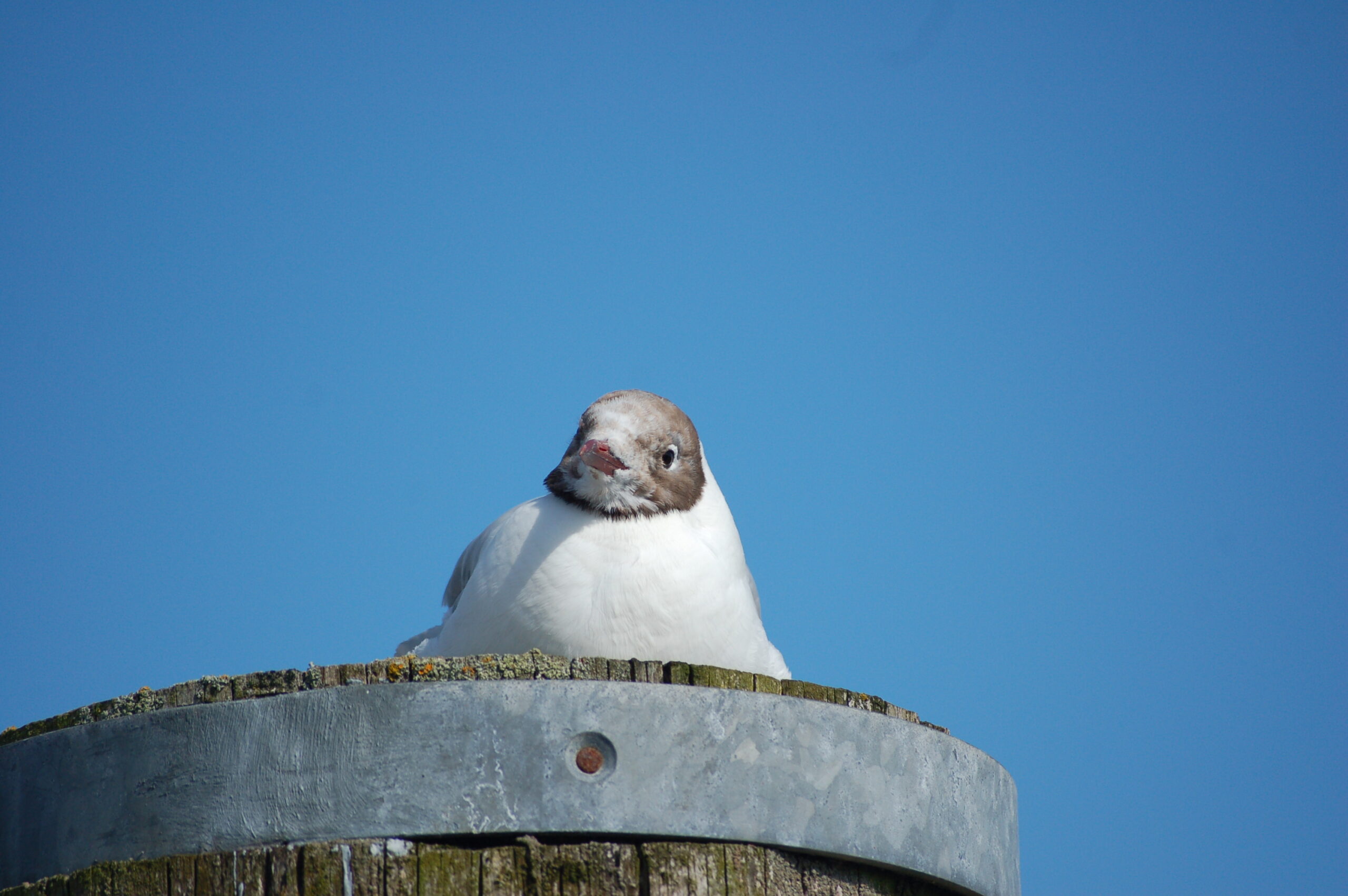
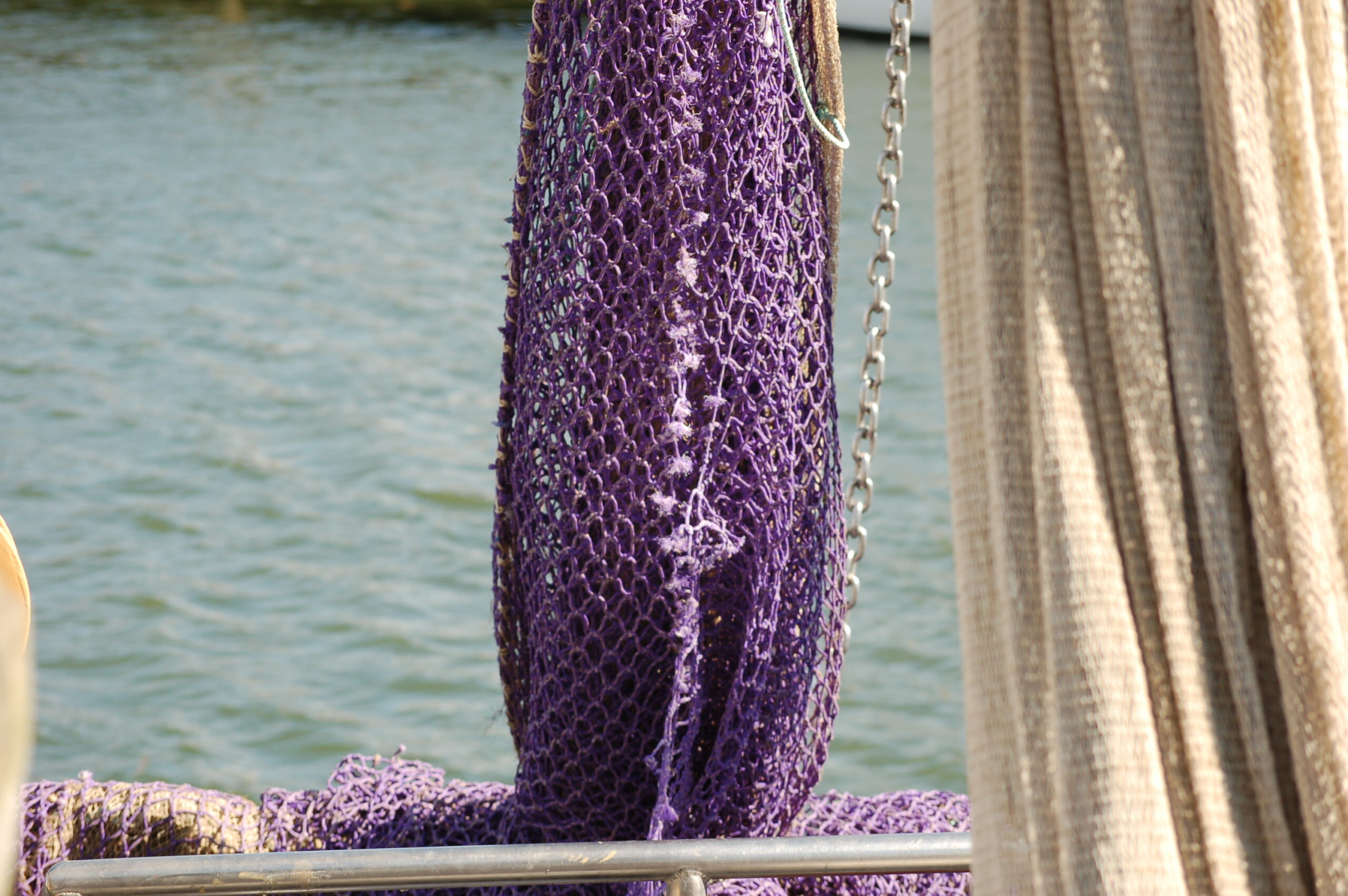
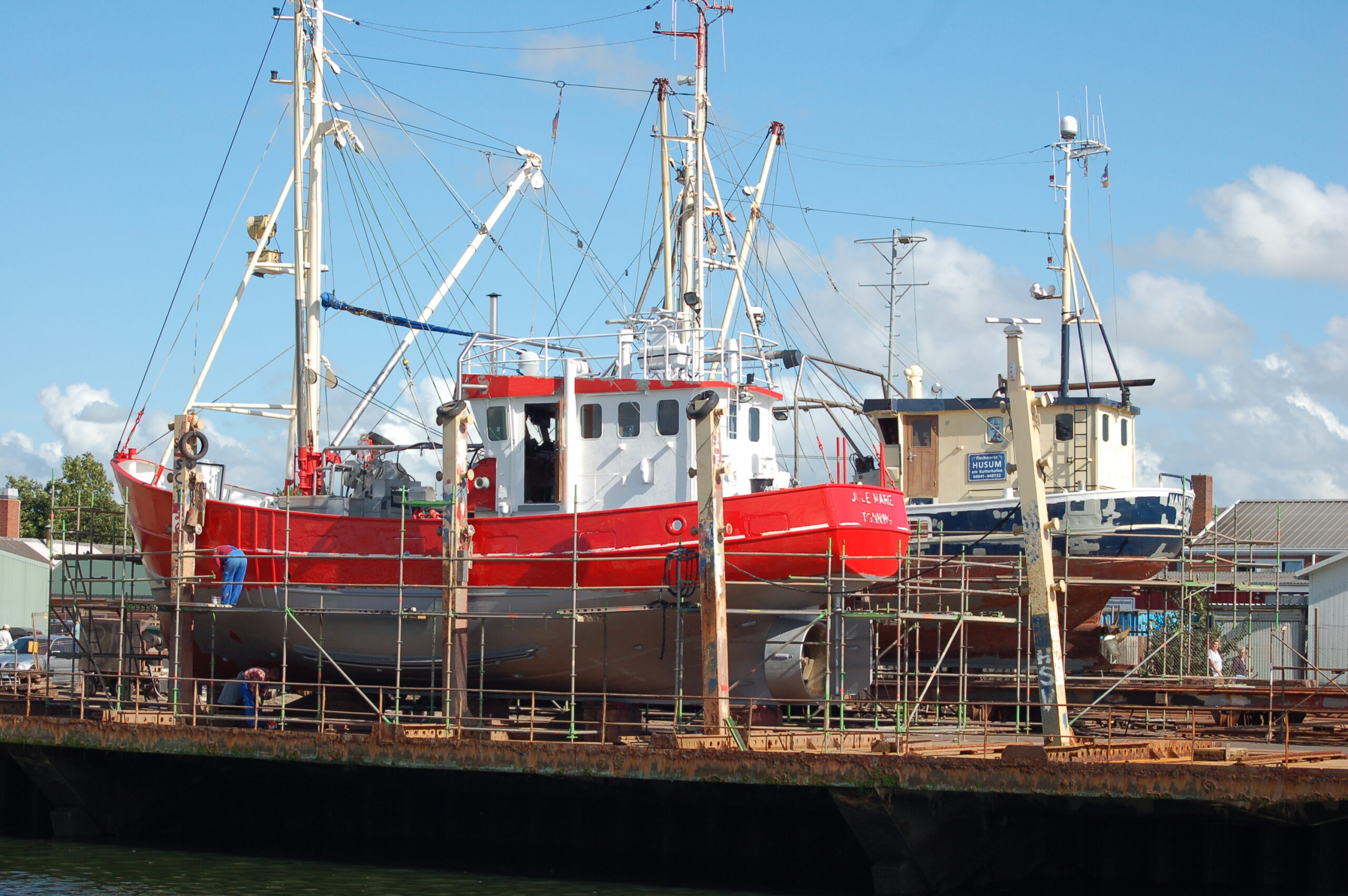
Down by the harbour, Büsum becomes more concrete. Between the four harbour basins, trawlers ease their way in and out. Some carry on their paintwork the countless scars of many trips at sea. From the quayside you can see the more than hundred‑year‑old lighthouse, standing like a silent guardian over the town and the sea. If you arrive at the right time, you can watch the fishermen at work and buy fresh North Sea shrimp straight from the boat. It is not only the harbour’s visitors who are pleased about this, but also the gulls, who are always waiting for their chance to steal one or two.
Between the stalls along the quay, people sit with paper boats filled with North Sea shrimp. You shell and keep silent, or you shell and talk, depending on the company. Not far away the excursion boats set off: some head out to show sea birds and perhaps seals, others take you to one of the islands, or they offer fishing trips where you can see what ends up in the net.
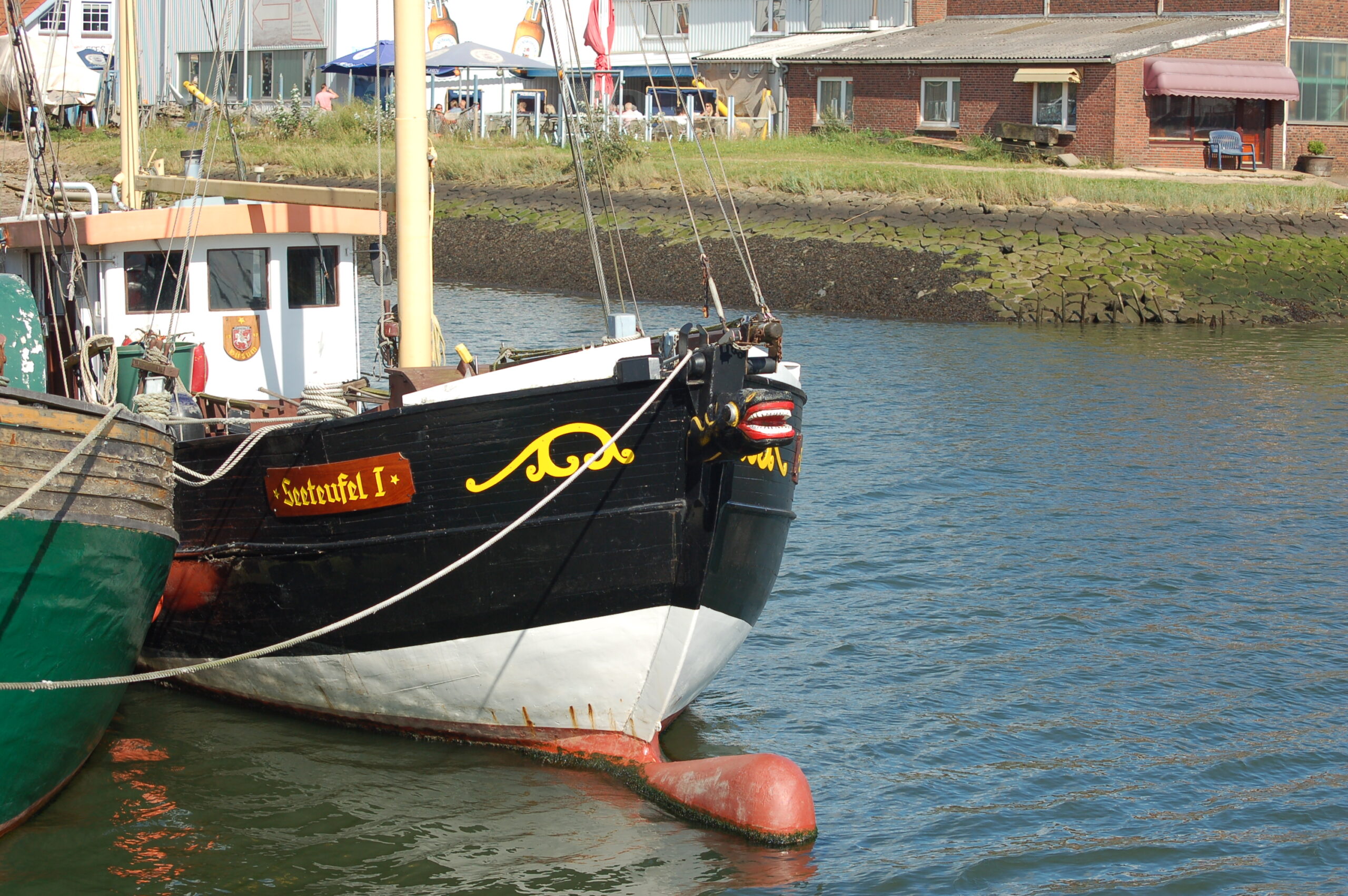
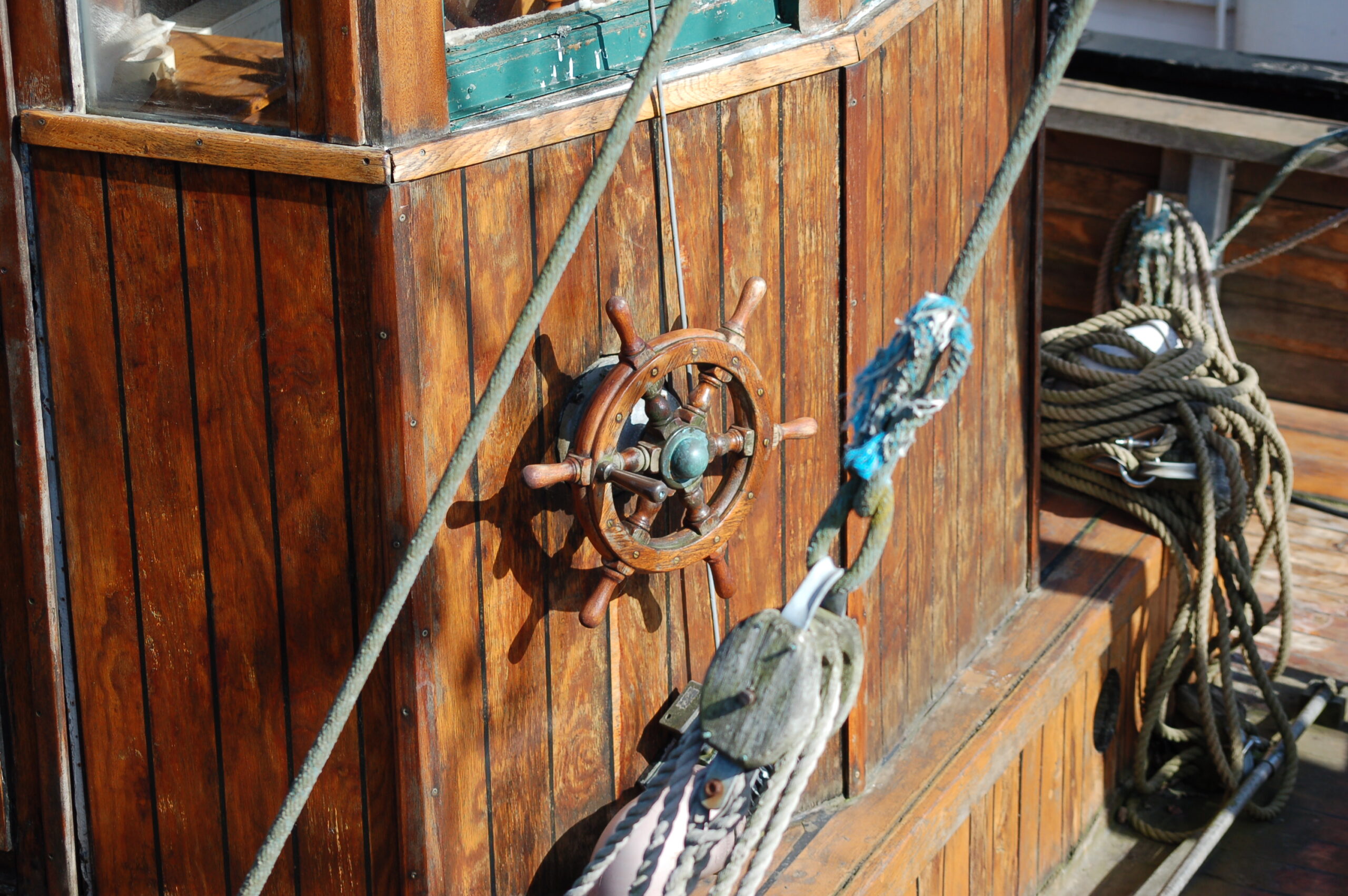
A few steps further on, it grows quieter. In the museum harbour lie old ships that tell of working life at sea in earlier times. Wood, metal, names slowly fading. Signs tell of journeys, cargoes, storms. If you wish, you can have the story of the harbour and the town told to you in the “Museum am Meer”. The story of Büsum through the storm tides, through fishing and shrimp processing, the growth of tourism and how Büsum changed from island to holiday town.
When your feet grow tired, it is worth making a detour to the aquarium. Behind the glass, rays glide past the viewing windows, stonefish lie almost invisible in the sand, butterfish peer out from cracks in the rocks. Tanks show the different habitats of the North Sea, seagrass meadows, muddy bottoms, mussel beds. In between, there are freshwater fish you might know from other aquariums, yet the real fascination lies in the creatures that live outside, beyond the dike.
In the centre of town stands St Clement’s Church. From the outside it appears almost unremarkable, unless you know that it has weathered the storms for centuries and once served the people of the town as a place of refuge. The first church, built in 1281 on what was then the island, fell victim to the Marcellus Flood of 1362, the next building burned down, and the present church bears the traces of this history within its walls. In 1442 the islanders raised it on a warft, an artificial mound of earth. Since then it has stood on Büsum’s highest point. Inside, all is still, and the light falls softly onto benches and paintings. For seafarers and those who live by the coast, Saint Clement was a patron and protector, for me it is a place where, for a moment, the wind outside grows quieter.
When I leave Büsum, I rarely carry away just a single image, more a weave of heavy steps through dike grass, the bright glare of the North Sea under the sun, the biting wind on grey days and the steady drone of shrimp trawlers entering the harbour. A place that speaks of the rough, untamed North Sea in all its restless beauty.